
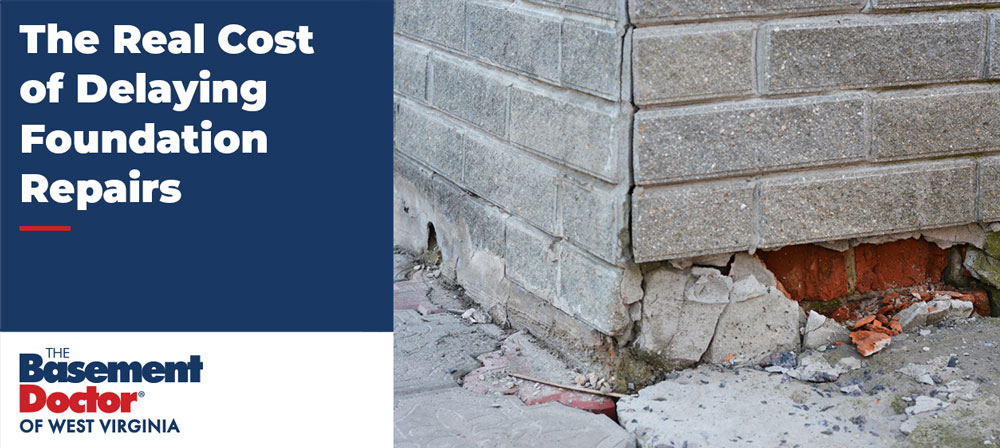
Most foundation problems don’t show up as a sudden emergency. They begin as small warnings—thin cracks along a block wall, a dip in the floor near a load-bearing wall, or that musty basement odor that returns after a hard rain. In West Virginia, changing seasons, clay-heavy soils, hillside grading, and frequent moisture can put constant pressure on your home’s structure, and the “minor” signs you can live with today often grow into the expensive repairs you can’t ignore later.
The priciest choice is rarely the repair itself—it’s the delay. When homeowners wait for cracks to “settle down,” they often end up paying for a broader scope of stabilization, more interior restoration, and a rushed timeline driven by worsening damage or an upcoming real-estate deadline.
At Basement Doctor West Virginia, we help homeowners protect their property with practical, long-lasting foundation repair services designed for local soil and moisture conditions. Working early with a trusted foundation repair company gives you options, keeps the project predictable, and helps prevent minor movement from turning into a full-scale basement foundation repair or structural stabilization job.
From Small Cracks to Serious Structural Stress
Foundation issues usually follow a pattern. A narrow crack in poured concrete or a small step crack in block can widen as the home settles. Over time, you may notice longer interior wall cracks, sloping or “bouncy” floors, or gaps where trim and cabinets used to sit tight. In the basement, the same movement often creates pathways for water—showing up as damp corners, white mineral staining, and cracks that seep during storms.
West Virginia’s terrain and weather can speed that process up. Heavy rains saturate soil and increase lateral pressure against basement walls; then freeze-thaw cycles expand and contract the ground, stressing already-weakened masonry. Homes on slopes can also experience water concentrating along the foundation line, and poor gutter or grading conditions may keep soil wet longer than it should be—raising the odds of both settlement and wall movement.
That’s why getting a professional evaluation matters. Foundation repair experts can tell the difference between normal concrete shrinkage and active structural movement—and a reputable foundation repair contractor will recommend the least-invasive fix that actually addresses the cause, not just the symptoms.
Why Waiting Makes Repairs More Expensive
Time changes the solution. Early intervention may involve targeted crack repair, correcting drainage, or stabilizing a small area before movement spreads. But once a foundation is actively shifting, the repair often expands to structural measures like pier systems, underpinning, or wall reinforcement—because the problem is no longer a single crack; it’s the wall, footing, or soil support failing to perform as a system.
Just as important: foundation damage almost never stays in the basement. As the structure moves, stress transfers into the rest of the home, and you can end up paying for “small fixes” that keep coming back, such as:
- Recurring drywall cracks, nail pops, and floors that feel uneven
- Doors and windows that stick, drag, or won’t latch consistently
- Separations at trim, countertops, or built-ins where gaps weren’t there before
- Exterior cracking in brick or block, including chimney separation
- Basement leaks that escalate into a larger basement foundation repair project
One more surprise cost: coverage limitations. Many homeowners learn too late that common policies often exclude damage tied to settlement, soil movement, or hydrostatic pressure. Getting foundation repair services early—and documenting the condition and corrective work—can help you manage risk and avoid being forced into bigger repairs on the worst possible timeline.
How Foundation Issues Affect Value, Financing, and Buyer Confidence
Unresolved foundation problems can cost you even if you never write a repair check—because they reduce buyer confidence. Visible cracks, bowing, or water entry can push buyers to negotiate aggressively, request escrow holdbacks, or walk away entirely if they feel the home’s structure is a question mark.
Home inspections tend to highlight foundation movement and moisture right away. When that happens, timelines slow down while additional evaluations are scheduled, repair quotes are gathered, and lenders review the risk. In some cases, financing gets complicated when there are clear signs of structural instability or ongoing seepage.
The fix is also the opportunity: professional repairs can restore trust in the home. When you work with qualified foundation repair specialists who identify the cause, complete the work correctly, and provide clear documentation, you’re protecting your equity and making future selling, refinancing, or insuring decisions much easier.
Choosing the Right Team When You Search “Foundation Repair Near Me”
When you type foundation repair near me into a search bar, the closest option isn’t always the best fit. What matters most is an accurate diagnosis and a plan that matches the real driver of the problem—settlement, lateral pressure, poor drainage, or repeated water intrusion.
As you compare providers, prioritize the process—not the sales pitch. A dependable team should offer:
- A full inspection inside and out, including drainage, grading, and basement conditions
- A clear explanation of what’s happening and why (not just a list of products)
- Repair options that fit West Virginia soil and moisture patterns, with realistic expectations
At Basement Doctor West Virginia, our approach is straightforward: stop the movement, manage the water, and leave you with a stable foundation you can trust. Our foundation repair services focus on permanent solutions that address structural conditions and moisture together—because in basements, those problems are usually connected.
Conclusion
Putting off repairs usually increases the total cost in three ways: the structural movement continues, the damage spreads into finished areas of the home, and real-estate or financing decisions become harder when an inspector flags the issue. In other words, the longer you wait, the fewer affordable options you tend to have.
Peace of mind comes from knowing your home is stable and your basement stays dry through every season. If you’re seeing cracks, bowing walls, uneven floors, or repeated moisture after rain, it’s worth getting the structure evaluated now—before another wet season or freeze-thaw cycle adds more stress.
Ready to take action? Contact Basement Doctor West Virginia to schedule an inspection. We’ll walk you through what we’re seeing, what’s causing it, and which foundation repair services make the most sense for your home. If you need a dependable foundation repair contractor for settlement, wall stabilization, or basement foundation repair anywhere in West Virginia, our team is here to help.