
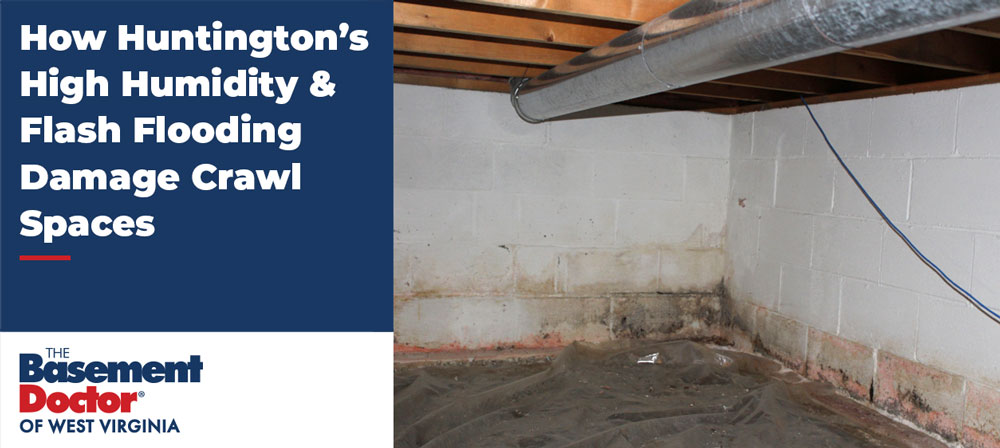
Dealing with water in crawl space issues? Huntington’s climate creates the perfect conditions for crawl space moisture problems. Heavy rainfall, high humidity levels, and seasonal temperature shifts work together to put your home’s foundation at risk. As a result, many Huntington homeowners face wet crawl space problems that lead to mold growth, structural damage, and costly repairs. The good news? Huntington crawl space repair and waterproofing solutions can protect your investment. Understanding how local climate conditions contribute to crawl space water problems is the first step toward keeping your home dry, healthy, and structurally sound.
Understanding Huntington’s Climate and Its Effect on Crawl Spaces
Huntington’s geographic location creates a climate pattern that directly threatens crawl spaces beneath local homes. The combination of coastal proximity, abundant precipitation, and temperature swings produces conditions where moisture accumulates rapidly under your house.
Heavy Rainfall Patterns in Huntington
Huntington receives approximately 46 inches of rain annually, significantly above the national average of 38 inches. This substantial rainfall doesn’t distribute evenly throughout the year. Precipitation occurs on an average of 113 days annually, meaning water regularly saturates the ground around your foundation. Monthly rainfall patterns vary from 74mm in November to 124mm in December. The wettest months span from April through October, when precipitation averages around four inches per month. Summer accounts for 27% of yearly precipitation, creating sustained periods when soil remains saturated. When groundwater levels rise, hydrostatic pressure forces moisture through foundation walls and into your crawl space, creating persistent wet crawl space in Huntington problems.
High Humidity Levels Throughout the Year
Relative humidity in Huntington averages 62% annually, with monthly levels ranging from 55% to 68%. These numbers tell an important story about crawl space conditions. When relative humidity exceeds 60%, your crawl space becomes a breeding ground for mold growth, wood rot, and pest infestations. The most problematic months run from May through September, when humidity climbs to 62-67%. June records the highest relative humidity at 75.18%, while July and August maintain levels of 65-66%. During these months, warm, moisture-laden air enters cooler crawl spaces and condenses on surfaces like floor joists, ductwork, and plumbing. This condensation creates perfect conditions for biological growth and structural deterioration.
Seasonal Temperature Fluctuations
Temperature variations in Huntington swing by 24.4°C (43.9°F) throughout the year. July peaks at an average of 25°C (77°F), while January drops to -0.6°C (31°F). These dramatic shifts create continuous condensation cycles that accelerate water in crawl space accumulation. Spring and fall transitions prove particularly problematic. Morning temperatures can be significantly cooler than afternoon highs, causing daily condensation patterns. When outdoor temperatures swing dramatically, warm air enters the cooler crawl space and releases moisture. This daily pattern leads to chronic moisture accumulation that many homeowners don’t notice until damage appears. Temperature differentials between the crawl space and living areas increase during seasonal transitions. HVAC usage changes amplify humidity challenges, as heating and cooling systems work harder to compensate for moisture-related inefficiencies.
How Local Soil Conditions Amplify Water Problems
Soil composition plays a significant role in crawl space moisture issues. Dense soils retain water, slowing drainage and keeping the ground saturated for extended periods after rainfall. Ground moisture evaporation from saturated soil continuously introduces water vapor into your crawl space. Slowly permeable soil layers hold up water tables and create wet conditions. When soil becomes saturated, all pores fill with water instead of air. As saturated soil drains, water removal depends on soil permeability, which varies based on parent material composition. Natural groundwater levels combined with soil composition create persistent moisture sources that require professional Huntington crawl space waterproofing to control effectively.
How Water Gets Into Your Crawl Space
Water finds multiple entry points into your crawl space, and identifying these pathways is critical for effective crawl space repair in Huntington. Most homes experience moisture intrusion from several sources simultaneously rather than a single cause.
Poor Grading Around Your Foundation
The ground surrounding your foundation should slope away from your house. Proper grading requires at least six inches of drop over the first ten feet. When yards violate this basic rule, rainwater flows directly toward your foundation instead of draining away. Soil settles over time, and landscaping projects alter natural drainage patterns. What once worked properly now channels water straight toward your foundation. This creates pooling around the foundation, causing soil erosion, foundation cracks, and flooding in the crawl space. The grading directly next to your walls plays the largest role in preventing foundation flooding and should drop approximately one inch per foot as you move away from the home for the first five to ten feet. Loose backfilled soil around foundations drains water down to the foundation level more easily than compacted virgin earth. Poor soil compaction from construction creates pathways for water to reach your foundation. Clay soil presents additional challenges because it doesn’t absorb water well. When your property uses clay for grading, water won’t seep into the ground and will instead flow toward your home.
Inadequate Gutter and Downspout Systems
Clogged gutters overflow and spill water right next to your foundation. When gutters fill with leaves, dirt, and debris, rainwater builds up until it flows over the edge. Without proper drainage, this water pools around the foundation instead of moving away. Downspouts require extension at least 6 feet away from the house. Some sources recommend extending them 6-10 feet or even 4 to 6 feet minimum. Short downspouts dump gallons of water directly into the soil surrounding your foundation. Wind-driven rain compounds this problem, running directly down the side of your house.
Foundation Cracks and Openings
Foundation walls develop cracks over time, creating entry points for water seepage during heavy rain or high water table periods. Water doesn’t need large openings to enter. Hairline cracks allow moisture intrusion under pressure. Common entry points include vertical, diagonal, or stair-step cracks in foundation walls, floor cracks in poured concrete slabs, wall-to-floor joints, and mortar joints in block or masonry foundations. Porous foundation materials like cinder block absorb water more readily than poured concrete. Gaps around utility penetrations and deteriorated vents also provide access.
Groundwater Seepage and High Water Table
When heavy rain saturates soil, the water table rises and puts pressure on your foundation. This hydrostatic pressure pushes moisture through foundation walls and floors, even without visible cracks. Water pressure builds on the outside of your foundation after rainfall. The water table can flood a crawl space any time the dirt floor sits lower than the outside dirt. Most foundations feature poor exterior water drainage, making flooding more likely when the water table rises during storms. Water enters at the footer level way sooner than it enters at the dirt level of the exterior.
Plumbing Leaks and HVAC Condensation
Hidden leaks behind walls or under floor slabs contribute significantly to crawl space moisture. Slow drips seem harmless but over time soak the space and lead to serious problems. HVAC ductwork sweats excessively in hotter, humid months. Cool air inside ductwork causes the exterior metal to drop in temperature. When cool ductwork contacts hot, humid air in the crawl space, condensation accumulates around the ductwork. This process mirrors condensation around a glass of ice water outdoors in summer.
Warning Signs of Water in Your Crawl Space
Recognizing crawl space moisture problems early saves thousands in repair costs. Most homeowners miss these warning signs until damage becomes severe. Knowing what to look for helps you catch water in crawl space issues before they escalate.
Musty Odors in Your Home
That earthy, stale smell rising through your floors signals trouble below. Musty odors come from microbial volatile organic compounds released as mold grows on damp surfaces. The smell intensifies as moisture levels climb and colonies expand. Up to 50% of your home’s air originates from the crawl space, so odors travel quickly through HVAC ducts and floor gaps into living areas. When humidity exceeds 60%, your crawl space starts attracting biological contaminants that produce these distinctive smells.
Standing Water or Dampness
Visible water pooling on your crawl space floor indicates serious drainage or groundwater problems. Standing water creates a breeding ground for mold and mildew, which thrive in these conditions and spread rapidly during summer heat. Damp spots beneath pipes or consistently wet soil signal active moisture intrusion. These conditions provide subterranean termites direct access to your home’s structure while contaminating your air supply with rising humidity.
Mold Growth and Discoloration
White, gray, green, or black splotches on wood surfaces, insulation, and foundation walls indicate mold colonization. Mold thrives in moist environments and spreads quickly throughout your home, causing health issues like red eyes, itchiness, wheezing, and stuffy nose for sensitive individuals. Dark staining on floor joists signals either active growth or dormant mold from previous moisture exposure. Water stains on foundation walls appear as light and dark discoloration patterns, with darker spots indicating past or current intrusion.
Sagging or Soft Floors
Floors that feel springy, bouncy, or dip in specific areas point to weakened joists below. When wood moisture content stays above 20% for extended periods, decay fungi break down cellulose fibers that provide load-bearing strength. Moisture causes floor joists to warp and rot, leading to structural sagging that worsens over time. Press a screwdriver into exposed wood; healthy joists resist penetration while decayed wood allows the blade to sink easily.
Increased Pest Activity
Termites, carpenter ants, cockroaches, and rodents flock to damp crawl spaces. Termite infestations often start in crawl spaces where high humidity and moisture create perfect living conditions. Moisture attracts these pests while wood rot signals advanced damage that termites and carpenter ants target aggressively. Pest droppings contaminate your air supply, with rodent waste carrying hantavirus and salmonella while cockroach allergens trigger respiratory problems.
What Happens When You Ignore Crawl Space Water
Delaying action on crawl space moisture creates cascading problems that worsen exponentially. Each day water remains beneath your home accelerates damage across multiple systems.
Mold Growth Within 24-48 Hours
Mold spores activate and begin growing within 24 to 48 hours after water exposure. The EPA recommends drying water-damaged areas within this window, while the CDC advises maintaining indoor humidity below 50%. Visible mold may appear between 48-72 hours, with musty odors developing simultaneously. By day three through seven, mold colonies spread rapidly throughout walls, insulation, and flooring. Up to 40% of your household air passes through the crawl space, meaning mold contamination directly affects indoor air quality. Mold triggers allergic reactions and worsens respiratory conditions like asthma. Studies following Hurricane Katrina found spore concentrations in flooded homes equal to those in wastewater treatment plants. An estimated 4.6 million asthma cases annually in the United States connect to dampness and mold exposure.
Wood Rot and Structural Damage
Fungi causing wood rot require sustained moisture to break down cellulose in floor joists, beams, and sill plates. Brown rot makes timber brittle and crumbly, while wet rot saturates wood until it becomes soft and spongy. When wood moisture content reaches 19% or above and cannot dry, rot begins and expands throughout the support system. Mold destroys more wood than termites and fires combined. Compromised joists lead to sagging floors, squeaky boards, misaligned doors and windows, and cracked walls. Advanced decay can cause localized floor failure, including breakthrough of flooring finishes and full punch-through hazards.
Termite and Pest Infestations
Termites cause billions of dollars in property damage annually. These pests thrive in humid environments, with crawl space moisture creating perfect conditions for infestations. Once humidity exceeds 60%, crawl spaces attract more pests, mildew, bacteria, and biological contaminants. Termites silently weaken wooden beams and supports before homeowners notice problems.
Rising Energy Bills
Unsealed crawl spaces drive up monthly electric bills by making homes harder to heat and cool. According to the U.S. Department of Energy, up to 20-30% of home energy loss comes from uncontrolled air movement, with much starting in the crawl space. Homeowners in humid regions report saving $50-$150 per month on electric bills after encapsulation, depending on home size and HVAC system.
Decreased Home Value
Untreated water damage reduces home value by 10-30% or more when structural or mold issues are involved. Homes with chronic water damage face approximately 7.3% reduction in overall value. Moisture issues rank among top concerns for home buyers, with many avoiding homes with mold problems due to health concerns and remediation costs.
How to Fix and Prevent Water Problems in Your Crawl Space
Fixing wet crawl space in Huntington requires immediate action combined with long-term prevention strategies. Professional Huntington crawl space repair addresses both existing damage and future moisture intrusion.
Remove Standing Water Immediately
Call professional water damage contractors who use specialized equipment including industry-grade extractors, air movers, high-quality blowers, and sub-floor drying equipment. They drain standing water, dry affected areas, and eliminate mold and odors using science-backed cleaning techniques. Wet soil makes installation of drainage systems messier and more difficult, so address pooled water without delay.
Install a Sump Pump System
Install your sump pump at the lowest point of the crawl space floor. Water doesn’t flow uphill, so proper placement matters. Add a battery backup to prevent flooding during power outages from storms. The system requires two electrical outlets, one for the primary pump and one for the battery charger. Direct discharge lines away from your foundation to prevent water recycling. Test the system at least twice yearly during drier seasons.
Crawl Space Encapsulation with Vapor Barrier
Encapsulation seals crawl space floors and walls with thick polyethylene sheets, typically 8 to 20-mil. This barrier prevents moisture from ground or outside air from infiltrating the space. Homes with encapsulated crawl spaces save 15% or more on yearly heating and cooling costs. The sealed environment stops mold, improves air quality, and deters pest infestations by eliminating moisture pests crave.
Add a Dehumidifier
Size your dehumidifier using the standard calculation of 70 PPD per 1000 square feet of crawl space. Choose ENERGY STAR certified units for efficiency. Aim for relative humidity of 50% for optimal results. Clean or replace air filters regularly and inspect drainage hoses to prevent clogs.
Regular Inspections and Maintenance
Schedule professional crawl space inspections every few years. Monthly visual checks catch problems early when they remain manageable and inexpensive to address. Monitor moisture levels with a meter after heavy rains and verify that sump pumps and foundation drains function properly.
Huntington Crawl Space Repair
Huntington’s climate creates the perfect storm for crawl space moisture problems. Heavy rainfall, high humidity, and temperature swings work together to put your foundation at risk. As shown above, ignoring these warning signs leads to mold growth, structural damage, and costly energy waste.
The good news? Professional Huntington crawl space waterproofing solutions can protect your investment before damage escalates. Encapsulation, proper drainage systems, and dehumidification address moisture at its source. Regular inspections catch problems early when they’re still manageable and affordable to fix.
Don’t wait for sagging floors or musty odors to appear. Taking action now protects your home’s structural integrity and your family’s health.