
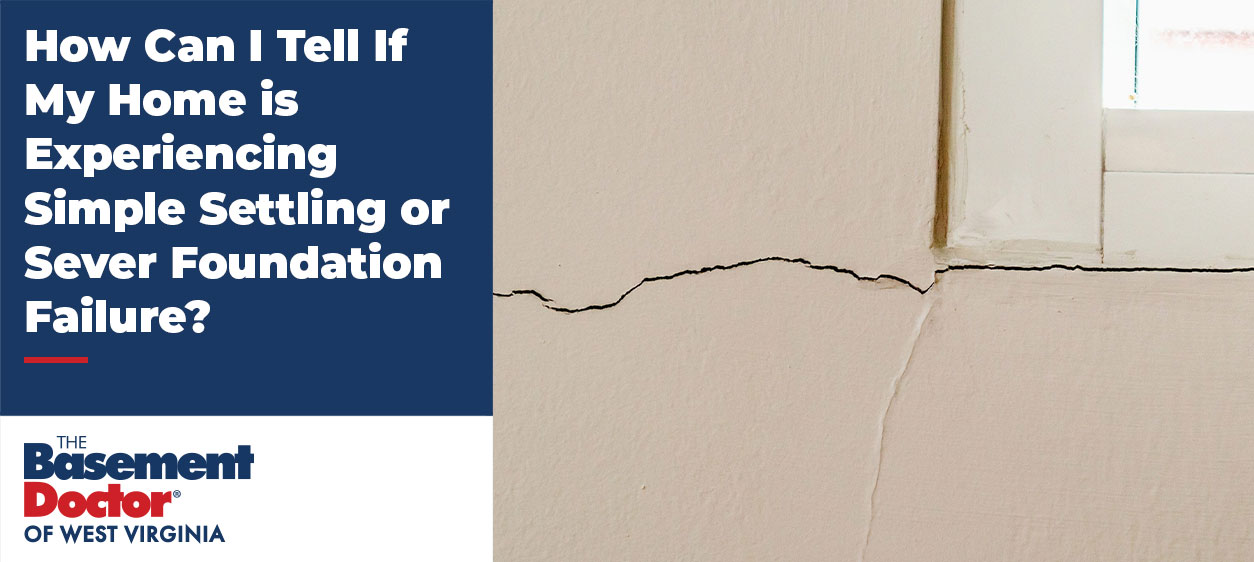
New cracks appear in your walls and the questions start. Is this normal? Does your home have a serious foundation problem? You’re not alone — soil expansion affects the foundations of roughly one-quarter of all American homes, and some of the worst damage shows up in houses less than 5 years old. Knowing the difference between normal house settling cracks and signs of foundation failure can protect your investment and keep a small issue from turning into a costly repair.
The Basement Doctor of WV helps West Virginia homeowners sort through what’s routine and what requires attention. Cracks, unlevel floors in old house structures, and sticking doors don’t all mean the same thing — and misreading them can lead to unnecessary panic or, worse, ignoring a real problem. This guide covers how to tell if your foundation is bad, what drying soil foundation settlement looks like in our region, and when it’s time to schedule a WV home foundation inspection with foundation repair West Virginia experts.
What Normal House Settling Looks Like in West Virginia
Why New Homes Settle During the First Few Years
Every home settles — that’s not a flaw, it’s physics. The weight of your structure presses down on the soil beneath it, causing gradual compaction and minor shifts. Building materials like wood, concrete, and drywall also hold moisture during construction. As that moisture evaporates over time, slight shrinkage follows.
The most noticeable settling happens during the first year of occupancy. After that, the process slows through year two — particularly if the first year brought milder weather than usual. West Virginia’s climate adds another layer to this. Your foundation and framing need to go through at least one full seasonal cycle — our humid summers, wet springs, and freezing winters — before most settling stabilizes.
What does that look like inside your home? Nail pops appear in drywall as lumber dries and contracts. Small gaps form where baseboards meet walls. Doors may stick slightly during humid months, then loosen up once conditions change. These are cosmetic signs of your home finding its permanent position. They are not structural foundation damage symptoms.
Hairline Cracks That Are Nothing to Worry About
Hairline cracks measure less than 1/16 inch wide — roughly the thickness of a credit card edge. They show up most often where walls meet ceilings, around door frames, and near windows during the first year. You can patch them when you’re ready, or simply wait until the settling period runs its course, since more may surface.
Most builders cover these under first-year warranties precisely because normal house settling cracks are expected. The key is stability. A hairline crack that stays the same width, doesn’t let light or air pass through, and doesn’t grow — that’s not something to lose sleep over.
Vertical Cracks in Drywall and Paint
Vertical cracks run straight up and down and typically result from foundation settlement, not foundation failure. They’re usually two to six inches long and less than 1/16 inch wide, following drywall seams or appearing at stress points where different building materials meet.
Horizontal and diagonal cracks tell a different story — but vertical ones, when stable, generally fall within acceptable settling range. Check them after each season. If the width and length haven’t changed, they’re within normal parameters.
How Much Movement is Actually Normal
Structural engineers consider movement of less than one inch over time to be within acceptable limits for most foundations. This gradual settling happens as soil beneath your entire structure compresses evenly under the building’s weight.
Normal movement is nearly imperceptible. You won’t walk up to your home and see structural shifts. What you will see are minor cosmetic issues inside — not exterior damage, and not functional problems with doors and windows. That’s the line between routine settling and something worth investigating further.
Signs of Foundation Failure You Should Never Ignore
Some symptoms go beyond routine settling. Certain cracks, floor changes, and door problems signal active foundation movement — the kind that won’t stabilize on its own and gets worse without professional attention.
Horizontal or Stair-Step Cracks in Foundation Walls
Horizontal cracks run parallel to the ground and signal serious structural stress. Soil and water pressure pushing against your foundation walls cause these fractures — and if left unchecked, they can lead to wall failure. Don’t wait on these. Schedule an inspection right away.
Stair-step cracks follow mortar joints in brick or block foundations in a zigzag pattern. They point to differential settlement, where one section of your foundation sinks faster than adjacent sections. Both crack types require prompt attention from foundation repair West Virginia specialists.
Cracks Wider Than a Nickel’s Thickness
Cracks wider than 1/8 to 1/4 inch warrant concern. A simple test: if a nickel fits into the crack, it’s time to call a professional. Diagonal cracks shooting out from window or door corners also indicate structural movement. When foundation shifts stress the entire frame, damage moves beyond drywall and into the structure itself.
Doors That Stick or Pop Open on Their Own
One sticking door during humid months is normal settling. Multiple doors throughout your home experiencing problems at the same time is not. Doors that open or close on their own signal frame distortion. A shifting foundation pushes door frames out of square — and no amount of planing or adjusting will fix the underlying cause.
Gaps Around Window Frames and Exterior Trim
Visible gaps between window frames and surrounding walls indicate foundation shifting. If a coin fits between your window frame and the drywall, that space didn’t appear randomly. Uneven sinking puts sustained pressure on frames, and those gaps will only grow.
Unlevel Floors in Old House Structures
Furniture that won’t stay level and doors that swing open on their own often point to the same culprit — a shifting foundation. Floors that feel sloped, soft, or bouncy underfoot need a closer look. Visible gaps between floors and baseboards are another structural foundation damage symptom worth taking seriously.
Cracks That Keep Getting Bigger
A crack that stays the same size over time tells a different story than one that keeps widening. Growing cracks indicate ongoing structural movement — your foundation is still shifting. The Basement Doctor of WV recommends tracking crack width monthly during your initial observation period. If the expansion continues, schedule a WV home foundation inspection without delay.
Why West Virginia Soil Makes Foundation Problems Worse
West Virginia’s geology doesn’t do your foundation any favors. The same soil conditions that make our region beautiful create unique challenges for the structures built on top of it — and understanding them helps explain why foundation problems here can develop faster and more severely than homeowners expect.
Clay-Rich Soil That Swells and Shrinks
Clay-rich soil dominates much of West Virginia, and this composition directly affects your foundation’s stability. Clay minerals absorb water intensely, swelling when saturated and contracting when dry. Expansive clay can exert uplift pressures reaching 5,500 pounds per square foot — enough force to crack concrete and shift wood-frame structures. The result is differential settlement, where different sections of your foundation move at different rates, creating uneven stress across the entire structure.
Drying Soil Foundation Settlement During Summer Droughts
Hot, dry summers cause clay soil to shrink and pull away from your foundation. As the ground contracts, it opens voids that remove the support your home depends on. Extended drought conditions accelerate this process across the region. The longer the soil stays dry, the more severe the contraction — and the greater the risk of drying soil foundation settlement beneath your home.
How Hillsides Accelerate Foundation Movement
Homes built on West Virginia’s hillsides face an added layer of pressure. Clay soil on slopes can expand up to 30% when fully saturated, pushing enormous downhill force against foundation walls. Soil erosion compounds the problem by gradually removing supporting material and redirecting water flow in ways that increase structural stress.
Spring Rainfall and Soil Expansion Cycles
Heavy spring rains saturate the soil around your foundation, causing clay to expand and press hard against walls. This pressure leads to cracks and leaks that worsen over time. Wet expansion followed by dry contraction — season after season — subjects your foundation to repeated stress cycles. Over years, that adds up. We understand West Virginia foundations, and this cycle is one of the biggest reasons early inspection matters here.
How to Tell If Foundation Is Bad: A Quick Comparison Guide
House settling vs foundation problems — the difference comes down to examining several factors together, not a single symptom in isolation.
Crack Size and Direction Comparison
Width determines urgency. Cracks under 1/16 inch typically signal normal house settling cracks. Fractures exceeding 1/8 inch require professional evaluation. If you can fit a nickel into the crack, schedule an inspection.
Direction matters just as much as size. Vertical cracks generally pose less concern than horizontal ones. Horizontal fractures indicate lateral soil pressure and often lead to wall failure if left unaddressed. Stair-step patterns in brick or block point to differential settlement — one section of your foundation sinking faster than another.
Location of Cracks: Inside vs Outside
Interior cracks around windows and doorframes often appear before exterior damage becomes visible. Exterior cracks wider than 1/4 inch may indicate deeper structural problems. Multiple cracks appearing in different areas of your home suggest widespread issues that warrant a full assessment.
Secondary Symptoms That Point to Structural Foundation Damage
Foundation shifts rarely travel alone. Sticking doors and windows result from misaligned frames. Gaps between cabinets and walls form when your structure shifts out of square. Uneven floors — particularly sudden sloping — indicate active settlement. Nail pops throughout multiple rooms signal movement happening behind the walls.
When several of these symptoms appear together, that combination tells a clearer story than any single crack on its own.
When to Schedule a WV Home Foundation Inspection
The Basement Doctor of WV recommends inspections every three to six months, or annually at minimum. Don’t wait out a full year if cracks are widening, water is pooling around your foundation, or multiple symptoms appear at the same time. Our team starts every evaluation with a FREE detailed inspection — giving you a transparent assessment of what’s happening and what your options are. You can count on us to give you straight answers, not guesswork.
Get a Definitive Answer From West Virginia’s Foundation Experts
Knowing the difference between house settling vs foundation problems gives you the power to act at the right time — not too early, not too late. Your home is one of your biggest investments, and protecting it starts with accurate information. Cosmetic DIY patches can accidentally mask progressive structural failure happening deep beneath your foundation walls.
The Basement Doctor of WV has spent over 30 years diagnosing and correcting structural issues across the unique, rolling terrain of the Mountain State. Our foundation repair specialists provide completely FREE, honest foundation assessments with zero pressure. We proudly serve homeowners across the entire region, tracking structural movement and delivering peace of mind to families in:
If cracks are widening, multiple symptoms are showing up at once, or something just doesn’t feel right on your property, don’t wait for a wet spring or dry summer to make it worse.
Schedule your WV home foundation inspection today. The earlier a structural problem is caught, the more affordable and less invasive the engineering solution will be.