
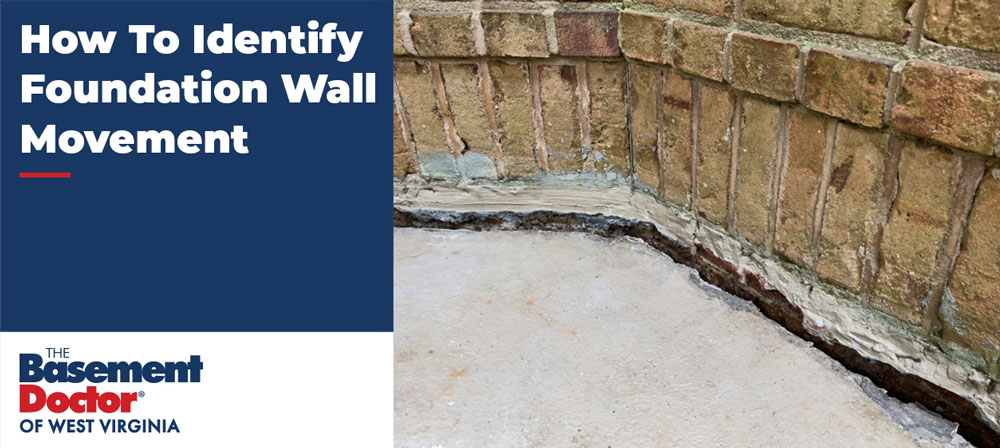
Foundation movement can start quietly—a small crack, a door that rubs, a slope you only notice over time. Catching these early changes helps prevent structural damage and keeps foundation movement repair costs from escalating.
In this guide, you’ll learn the most dependable foundation movement signs—including horizontal cracks, stair step cracks, bowing walls, and clues of house foundation sinking—plus when an inspection makes sense in West Virginia and what common fixes involve.
What Is Foundation Movement in a House?
Foundation movement is any shift in the base of a home. It can be lateral when soil pressure pushes a wall inward, or vertical when the structure settles or heaves. In a foundation movement house, that stress shows up as cracking, sticking doors/windows, and uneven floors.
What Causes Your Foundation to Move?
In many West Virginia neighborhoods, changing soil moisture drives foundation movement. Clay-rich soils can swell when saturated and shrink when they dry out. With steep grades, heavy rain, and freeze-thaw cycles, pressure against basement walls can build—especially where drainage sends water toward the home.
Other common triggers include:
- Freeze-thaw cycles that expand water in the soil and increase outward pressure
- Large trees that pull moisture during dry spells, leaving voids as soil contracts
- Poor grading, clogged gutters, or short downspouts that discharge water next to the foundation
Over repeated seasons, that expand–shrink cycle creates pressure and voids that gradually shift walls and footings.
Normal Settling vs. Real Problems
Every home settles some. Hairline cracks (often under 1/16 inch) that appear early and stop changing are usually cosmetic. Wall cracks near or above 1/8 inch, cracks that keep growing, or several symptoms together are more consistent with foundation wall movement and should be checked.
Spotting Problems Before They Get Expensive
Early warnings can look minor—one sticky door, a faint drywall crack, or a slight dip. As issues progress, damage is clearer: long wall cracking, stair-step patterns, and walls that begin to curve. That’s when foundation movement repair and moisture control can help prevent bigger repairs.
Foundation Warning Signs That Need Your Attention Right Away
Some cracks are harmless; others point to active stress. Knowing the most reliable foundation movement signs helps you act early and often keeps repairs smaller.
Crack patterns often reveal what’s happening under and around the home. Here’s what we look for.
Horizontal Cracks: Call for Help Immediately
Horizontal cracks are a major red flag for lateral soil pressure. If the crack is long, widening, or paired with bulging walls, bowing walls, or seepage, schedule an evaluation quickly to reduce the risk of worsening displacement.
Vertical Cracks: When Normal Becomes Concerning
Vertical cracks can be cosmetic when thin and stable. Be cautious if they near 1/8 inch, leak after rain, or change over time—especially alongside sticking doors or uneven floors.
Stair Step Cracks: Your Foundation Is Shifting
Stair step cracks in block or brick commonly point to uneven settlement or shifting pressure. If the pattern is expanding, returning after patching, or paired with interior cracking, an inspection can confirm whether stabilization is needed.
Bowing Walls: Soil Pressure at Work
Bowing or bulging walls usually means ongoing soil pressure and moisture. The more the wall curves, the more urgent stabilization becomes.
Doors and Windows That Won’t Work Right
One sticky door can be humidity or hardware. When multiple doors or windows stick, gap, or won’t latch, framing may be shifting out of square.
Floors That Slope, Sag, or Bounce
Sloping, sagging, or bouncy floors can signal settlement under a beam, a compromised support, or shifting footings. These are common indicators of house foundation sinking and should be tracked for change.
Interior vs. Exterior Signs of Foundation Movement
Inside, look for drywall cracks, trim gaps, and doors that suddenly won’t latch. Outside, watch for new foundation cracks, brick/mortar separation, or veneer pulling away—even if landscaping hides parts of the wall.
Basements and crawl spaces are telling: long cracks, damp spots, or white mineral staining can appear early. Outside, confirm downspouts discharge away from the home and soil slopes outward; saturated backfill increases pressure, making foundation wall movement and foundation movement more likely.
What Happens When You Wait Too Long?
Problems rarely stay the same. Cracks can widen, water finds new paths, and shifting can spread into floors, walls, and framing—turning a smaller fix into a larger project.
Safety and Money—Both Are at Risk
Waiting can create trip hazards from uneven floors, doors that don’t open smoothly, and higher moisture risk in the basement. It can also impact resale value because structural concerns are easy for buyers and inspectors to spot.
Does Home Insurance Cover Foundation Movement?
Many homeowners ask, “does home insurance cover foundation movement?” Usually, no—most policies exclude long-term settling, soil expansion, and gradual cracking as wear and tear or earth movement. Coverage may apply when damage stems from a sudden, covered event (like a burst pipe causing washout). When in doubt, take dated photos and request a professional report.
Early foundation movement repair is typically less invasive than waiting for greater wall bowing or floor slope. Targeted stabilization plus better drainage can prevent secondary damage and bigger bills.
Foundation Repair Solutions for Wall Movement
Foundation movement repair aims to stop active wall shift and stabilize the structure. The best foundation repair method depends on the crack pattern, wall condition, and whether the cause is lateral pressure or settlement.
- Wall anchors: Common for bowing walls and long horizontal cracking; anchors counter soil pressure and can gradually improve wall alignment.
- Carbon fiber reinforcement: Low-profile straps that stabilize walls with moderate bowing and help prevent future shifting.
- Steel I-beams: Heavy-duty stabilization installed against foundation walls when bowing or bulging is more severe.
- Piers (helical or steel): Used when settlement is present; they transfer load to deeper, more stable soil and can help support areas affected by sinking.
When to Call a Foundation Movement Repair Expert
Warning signs that demand immediate professional attention
Long horizontal cracking, expanding stair-step patterns, or a wall pushing inward are all reasons to call. Add separating frames, recurring water entry, or symptoms that worsen over time, and it’s smart to get foundation movement repair guidance sooner rather than later.
What to expect during a foundation inspection
At The Basement Doctor West Virginia, a trained specialist examines the basement, exterior walls, and drainage conditions. We explain what we find and outline foundation repair options that fit the home and the severity of the issue.
We may take floor elevation readings, check walls and supports for cracking or deflection, and review grading and downspout discharge. You’ll get a written summary so you can decide whether monitoring or repairs make sense for your foundation movement concerns.
Keep your foundation stable with proper drainage
Reduce future movement by keeping water away: clean gutters, extend downspouts away from the wall, and ensure soil slopes outward so rainwater drains away instead of saturating backfill.
Protect Your Home Before Foundation Problems Worsen
If you’re seeing new cracks, multiple sticking doors, or a basement wall that looks like it’s shifting, don’t ignore the pattern. An inspection can confirm whether you’re seeing normal settling or active foundation movement.
The Basement Doctor West Virginia can identify the cause and recommend the right foundation movement repair plan—whether that’s improving drainage, stabilizing a wall, or addressing house foundation sinking. Acting early helps keep foundation repair scope and cost under control.