
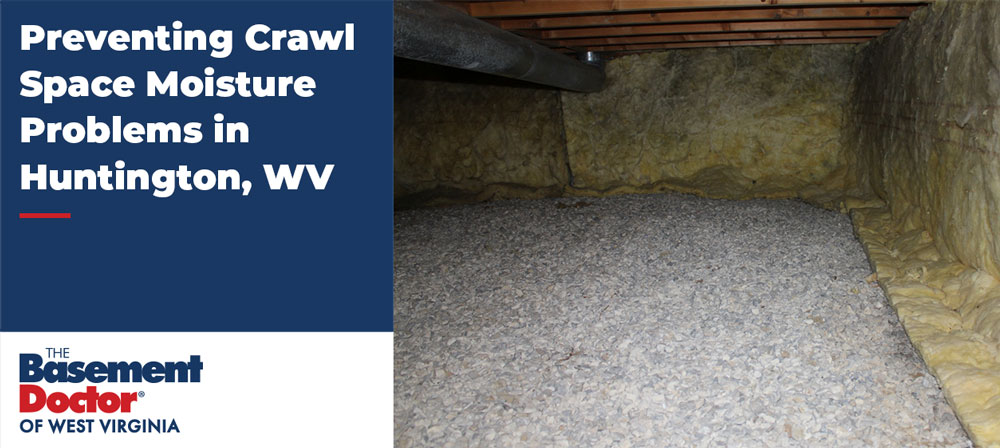
A wet crawl space creates serious problems that extend way beyond the space itself. You need to maintain proper humidity levels for your home’s health and structural integrity.
Your crawl space’s humidity levels should remain between thirty and sixty percent. Moisture that exceeds sixty percent puts you at risk for wood rot, mold growth, and structural damage that compromises indoor air quality.
The good news? We can help you fix a wet crawl space with proven solutions. We’ll walk you through the signs of moisture problems and wet crawl space repair methods, from crawl space encapsulation to professional waterproofing systems. You’ll also learn prevention strategies to protect your Huntington, WV home in the years ahead.
Signs You Have Crawl Space Moisture Problems
When you spot the warning signs early, you can address wet crawl space issues before they cause extensive damage. Several distinct indicators point to moisture infiltration.
Musty Odors and Poor Air Quality
A musty smell in your home often signals mold or mildew growth in your crawl space. Moisture accumulates and creates ideal conditions for these fungi to develop and release airborne spores into your living areas. The air from your crawl space feeds into your home through the stack effect, meaning odors and contaminants rise upward. This affects respiratory health and can lead to coughing, sneezing, sore throat, and asthma attacks. Dust mites spread in humid environments, which degrades indoor air quality further and triggers allergic reactions.
Visible Mold and Mildew Growth
Mold runs on humidity that exceeds optimal levels and feeds on organic materials like wood and insulation. You might notice greenish or blackish stains on walls, beams, and insulation in your crawl space. Black mold grows on damp surfaces near leaky pipes or in poorly ventilated areas. White mold appears on walls and within crawl spaces left unattended, especially when you have humid regions. Condensation on metal ducts, HVAC lines, plumbing, and wood surfaces also indicates high humidity levels. Look for efflorescence on foundation walls, which appears as white salt deposits left behind after moisture evaporates.
Wood Rot and Structural Damage
Wood rot develops when persistent moisture combines with organic material. This fungus attacks the structural components of wood and causes floors to sag and become bouncy or springy when you walk on them. You can perform a simple screwdriver test: poke wooden beams with a screwdriver. If the wood feels soft, gives easily, crumbles, or breaks, rot has compromised its integrity. Unlike mold, wood rot feeds on the parts of wood that provide strength and structure. Discolored, cracked, or warped wood also signals long-term moisture exposure.
Increased Pest Activity
Moisture attracts many pests seeking damp environments. Cave crickets, also known as camel back crickets, run on moist crawl spaces and often appear in large numbers. Termites target moisture-damaged wood first before moving to sound structural timbers. Cockroaches prefer humid conditions, while rodents seek out areas with standing water. You might also notice silverfish, black widows, and even snakes in wet crawl space conditions.
How to Fix a Wet Crawl Space
Fixing a wet crawl space requires a systematic approach that targets multiple moisture sources. These proven solutions work together and create lasting protection.
Install a Vapor Barrier System
A heavy-duty vapor barrier prevents ground moisture from evaporating into your crawl space. Reinforced polyethylene sheeting should cover the floor and extend partway up foundation walls. Seams need at least six inches of overlap and should be sealed with specialized tape. The barrier extends up walls and stops four to six inches below the sill plate to allow for pest control inspections. Mechanical fasteners or adhesive systems designed for concrete, block, brick and fieldstone attach the material to foundation walls.
Add a Crawl Space Dehumidifier
A dehumidifier maintains humidity between thirty and fifty percent and prevents condensation and mold growth. The unit should sit near the center of your crawl space on top of the vapor barrier with adequate airflow clearance. Drainage works by routing the hose to a sump pump, floor drain or outside location with a downward slope. A model with a condensate pump works best if your drainage point sits higher than the dehumidifier.
Improve Drainage Around Your Foundation
Downspouts need to extend at least four to six feet from your foundation. Soil should slope six inches over the first ten feet away from your home. Gutters need regular cleaning to prevent overflow that dumps water near your foundation.
Seal Vents and Entry Points
Foundation vents should be closed to stop humid outside air from entering during warm weather. Vent sealing must pair with encapsulation and dehumidification for proper moisture control. Professional-grade covers are mechanically fastened and designed as part of a complete system.
Repair Plumbing Leaks
The water supply should be turned off before starting repairs. A flashlight helps locate the leak source, and note that water runs to the lowest point before dripping. The area needs cleaning before you apply repair compound or replace damaged sections.
Install a Sump Pump System
The sump pump belongs at the lowest point of your crawl space where water pools. Perimeter drainage connects to it and directs groundwater into the basin. A battery backup maintains operation during power outages.
Wet Crawl Space Solutions in Huntington, WV
Professional wet crawl space solutions in Huntington, WV combine multiple methods into integrated systems that address moisture at every entry point.
Crawl Space Encapsulation
Crawl space encapsulation transforms your space into a clean, controlled environment by sealing it. This process involves installing heavy-duty polyethylene vapor barriers across floors and walls, adding insulation to foundation perimeters where walls meet floor joists, and closing all vents. A dehumidifier maintains preset humidity levels. The barrier material should use virgin resin polyethylene that resists punctures and blocks moisture while preventing mold growth. Proper encapsulation can reduce yearly heating and cooling costs by fifteen percent or more. Some homes experience a ten to twenty percent decrease in utility bills.
Professional Waterproofing Systems
A complete waterproofing system has perimeter drainage with SmartPipe designed to capture wall and floor seepage. Drainage matting, a dimpled plastic sheet material, promotes water flow across the crawl space floor toward collection points. Sump pump systems with battery backup protect against water accumulation even during power outages. These components work together and channel groundwater away before it enters your living space.
Choosing the Right Dehumidifier
The appropriate dehumidifier depends on your crawl space dimensions and humidity severity. Units with thirty to fifty pints per day capacity are enough for spaces up to fifteen hundred square feet. Larger crawl spaces between fifteen hundred to three thousand square feet require fifty to seventy pints per day or higher. Crawl space dehumidifiers differ from household models by offering compact designs, automatic drainage systems, and low-temperature operation suitable for unconditioned spaces.
Preventing Future Moisture Problems
Proactive maintenance protects your wet crawl space repair investment and prevents damage that could get pricey down the road.
Regular Inspections and Maintenance
Schedule professional inspections every few years, or more often if you notice problems. Self-inspections done monthly catch problems early when they remain manageable and inexpensive to fix. Check floor joists, support beams, and subflooring to spot sagging, cracking, or distress. Look for new stains, soft spots, or moisture damage around foundation walls and plumbing fixtures. Vapor barriers need monthly inspection for tears or displacement, as even small compromises allow much moisture to get in. Test your sump pump quarterly and before rainy seasons. Remove debris and ensure gutters direct water away from your foundation.
Monitor Humidity Levels
Install humidity monitoring systems with sensors that trigger alerts when levels surpass safe thresholds. Keep humidity below sixty percent to create an environment inhospitable to mold. These systems provide early warnings and allow intervention before mold gains a foothold. Readings that stay above fifty to sixty percent suggest moisture problems originating in your crawl space.
Maintain Proper Grading
Soil should slope away from your foundation with a minimum of six inches over the first ten feet. Poor grading and drainage cause more than sixty percent of moisture problems. Extend downspouts at least five to ten feet from your home. After heavy rains, inspect grading regularly for erosion or soil displacement.
Free Crawl Space Repair Estimate by Basement Doctor of West Virginia
You notice signs of moisture damage or want to prevent future problems. Professional assessment makes the difference between temporary fixes and lasting solutions. Basement Doctor of West Virginia specializes in crawl space waterproofing in Huntington, WV. We offer free inspections to assess your specific situation.
Our team gets into your crawl space and identifies moisture sources and structural concerns. We determine the most effective wet crawl space repair approach for your home. You receive detailed estimates that outline the scope of work, materials and timeline for your project.
A free estimate allows you to understand the full extent of your moisture problems without financial commitment. We assess whether you need simple repairs or complete crawl space encapsulation. This helps you make informed decisions about protecting your home.
Schedule your free crawl space inspection by contacting Basement Doctor of West Virginia. Our technicians serve the Huntington area and understand the unique moisture challenges homes face in West Virginia’s climate. We’ll explain how to fix your wet crawl space using proven methods tailored to your property’s needs.
Minor moisture issues can become major structural problems. Request your free estimate and take the first step toward a dry, healthy crawl space that protects your home’s value and your family’s wellbeing.