Problems We Solve
Protecting Your Home from the Bottom Up
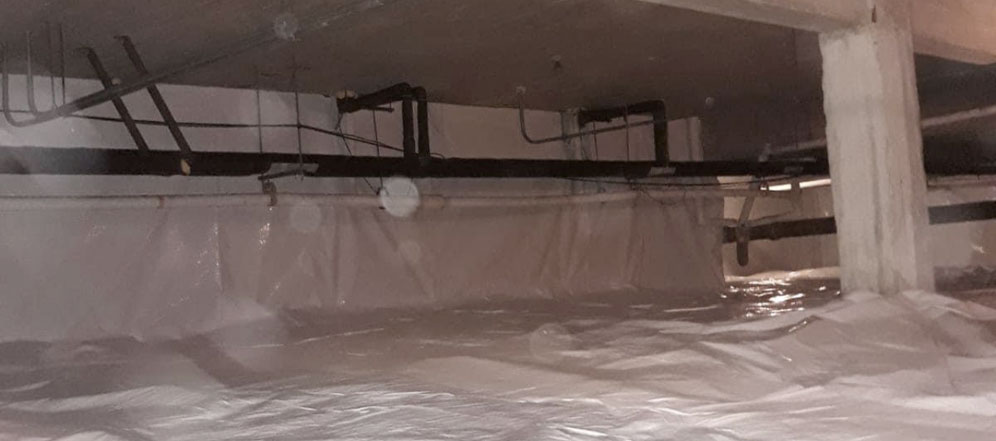
My Crawl Space Is Causing Energy Loss.
Fixing Your Crawl Space Can Save You Money.
Drafty floors or skyrocketing utility bills could mean your crawl space is hemorrhaging energy—and your money. These symptoms point to insulation failures and air leaks that require a thermal evaluation and modern sealing solutions.
Common Signs of Energy Loss:
- Frozen Toes: Hardwood or tile floors that feel icy, even when the heat is cranked up.
- Musty Drafts: Unusual smells or cold air blowing in from baseboards and floor vents.
- High Humidity: Damp air in the living space, often caused by ground moisture evaporating from an unsealed crawl space.
Related Services: Crawl Space Encapsulation, Vapor Barrier Installation, Dehumidification Systems, Spray Foam Insulation
Water is Leaking into My Basement After It Rains.
Don’t Wait for Mold to Move In.
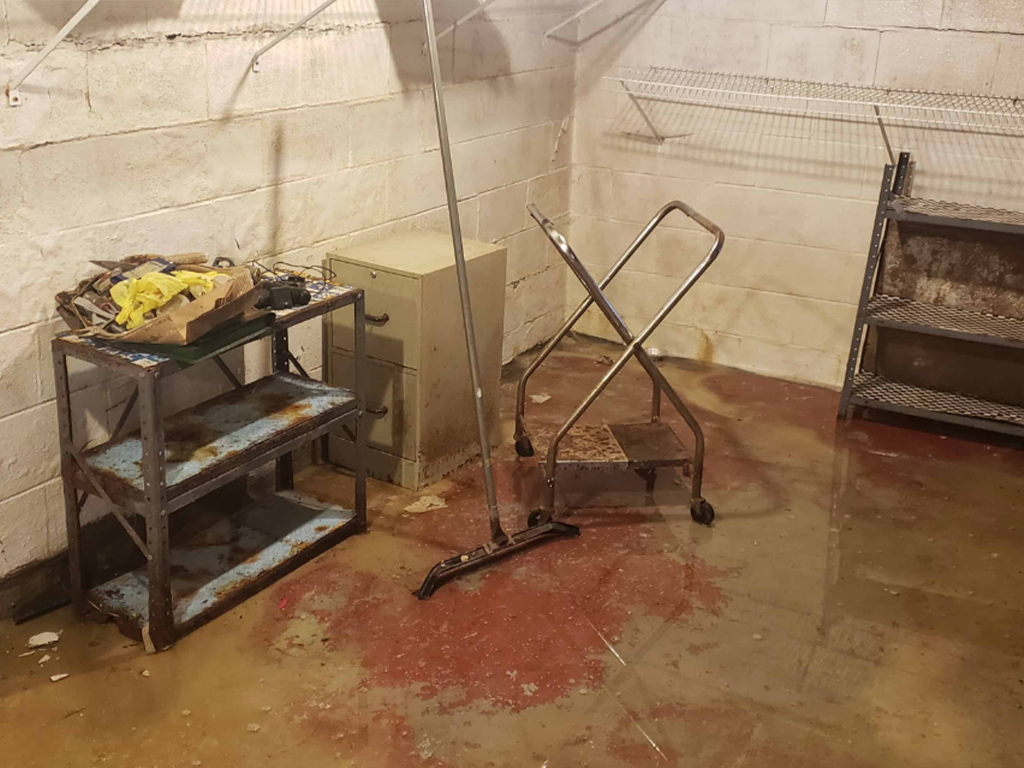
Heavy rain should never leave you with a wet basement. If water seeps in after storms, it could be a sign of hydrostatic pressure or poor drainage. Left unchecked, moisture can weaken your home’s foundation and create the perfect environment for harmful mold.
Common Signs of Basement Water Leaks:
- Active Seepage: Trickling water or damp patches on walls and floors immediately after storms.
- Puddles or Standing Water: Accumulation in low spots or near the base of foundation walls.
- Musty Odors: A heavy, damp smell indicating trapped moisture or early mold growth.
Related Services: Waterproofing Systems, Sump Pumps, Discharge and Downspout Line Protection
My Doors and Windows Aren’t Closing Right.
Minor Issue or Structural Warning Sign?
Sticky doors and misaligned windows might seem small but they’re often early signs of foundation movement. Left unchecked, they can lead to more serious structural damage.
Signs to look for:
- Skewed or uneven door and window frames
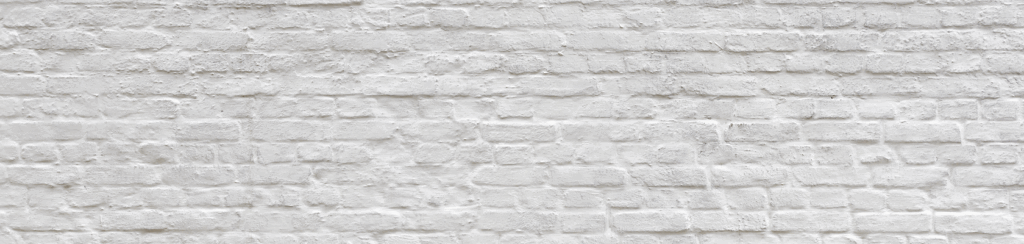
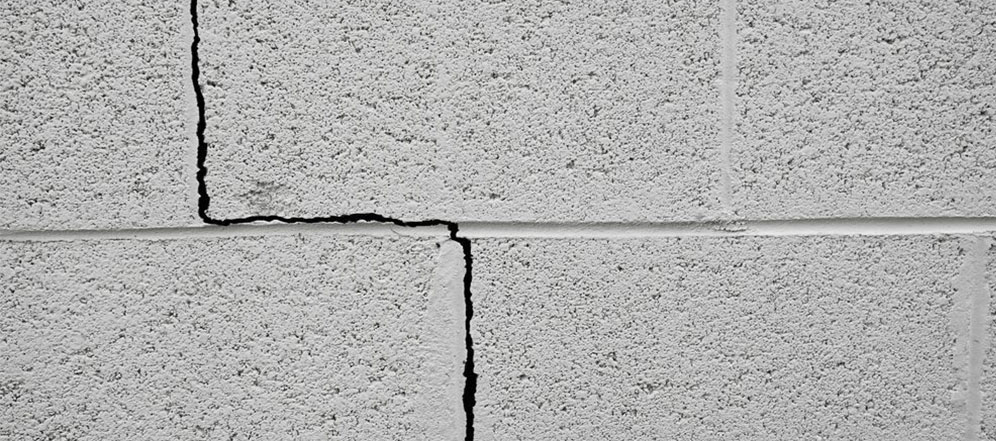
- Stair-step cracks in basement wall corners
- Inward leaning at the top of basement walls
- Chimney leaning or separating from the house
- Gaps in brickwork forming stair-step mortar joint openings
- Sinking or cracking in basement slab floors
Related Services: Foundation Stabilization, Structural Reinforcement
Crawl Space Pest Infestation
Your Crawl Space May Be A Pest Haven.
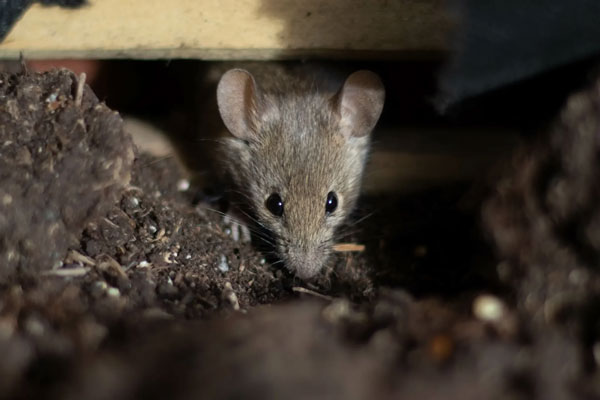
An earthy smell or scurrying sounds usually mean your crawl space has become a pest sanctuary. Unsealed vents, standing water, and rotting wood act as a literal “Welcome” sign for termites, rodents, and cockroaches. Once these pests establish a colony beneath your feet, they can compromise your home’s hygiene and eat away at its structural integrity.
Signs of a Crawl Space Breach:
- Droppings or Nesting: Evidence of rodents near floor joists or insulation.
- Damaged Insulation: Shredded or hanging fiberglass batts used as nesting material.
- Termite Mud Tubes: Small, earthy tunnels climbing up foundation walls.
Related Services: Crawl Space Encapsulation, Foundation Crack Sealing, Dehumidification, Sump Pump Installation
My Crawl Space Is Causing Sagging Floors.
Uneven Floors Are More Than A Trip Hazard.
Bouncy or uneven floors aren’t just a quirk—they are signs of sagging floor joists. Moisture, rot, or poor support in your crawl space allows the structure to sink, leading to cracked drywall and jammed doors.
Common Causes:
- High Humidity: Softens wood fibers, causing joists to bend.
- Wood Rot: Fungus or pests feeding on damp floor framing.
- Sinking Piers: Support posts settling into soft, unsealed soil.
Related Services: Crawl Space Support Jacks, Mold Remediation, Structural Floor Leveling
Basement Walls are Bowing or Bulging.
When Pressure from Outside Becomes a Problem.
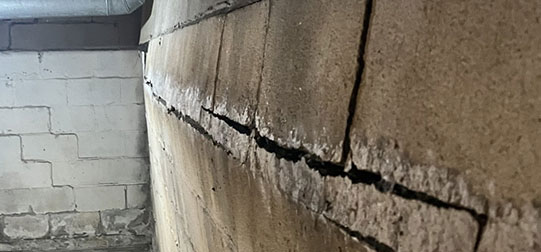
If your basement walls are bowing inward, the cause is often exterior soil pressure—a serious sign of structural instability. Left unaddressed, this can lead to wall failure or even collapse. We install proven solutions to stop and correct this dangerous movement, restoring the strength and stability your home needs to keep your family safe.
Common Signs of Bowing or Bulging Walls:
- Horizontal Fractures: Deep cracks running along the center of the wall where the most pressure is pushing inward.
- Vertical Inward Tilt: The top of the wall leaning away from the ceiling or the bottom sliding across the floor.
- Corner Cracking: Separations in the corners of the basement where the bowing wall is pulling away from the adjacent walls.
Related Solutions: Foundation Repair, Bowing Wall
How Do I Fix Cracks in My Basement Walls?
Hairline or Hazard? Let’s Find Out.
Not all cracks are the same. Some are purely cosmetic, while others signal serious structural issues. Our inspections pinpoint the cause and determine the right repair whether it’s a simple patch or installing wall stabilizers for long-term strength.
Common Signs of Structural Wall Cracks:
- Width & Shape: Fractures wider than 1/4 inch or those forming a “stair-step” pattern in block walls.
- Horizontal Alignment: Long, side-to-side cracks that indicate the wall is bowing inward under soil pressure.
- Active Leaking: Visible moisture, dampness, or mineral deposits (efflorescence) seeping through the crack.
Related Services: Foundation Repair, Cracking Walls
How Do I Keep My Crawl Space Dry?
Water in your crawl space is a ticking clock for structural damage. Whether it’s standing puddles, damp soil, or condensation on pipes, moisture creates a breeding ground for rot and wood-destroying pests. Our inspections pinpoint the source—groundwater seepage, plumbing leaks, or poor yard drainage—to stop the flooding before it reaches your floorboards.
Common Signs of a Wet Crawl Space:
- Standing Water: Puddles or “muddy” soil after a heavy rain.
- High Humidity: Heavy, damp air that makes your HVAC work double-time.
- Efflorescence: White, powdery mineral deposits on foundation walls.
Related Services: Sump Pump Installation, Interior Drainage, Vapor Barriers, Dehumidification
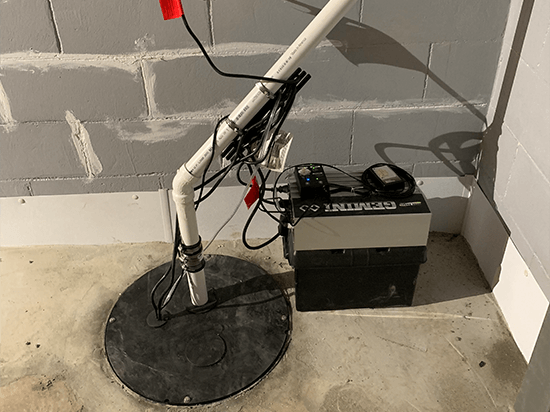
I Have Sump Pump Issues
A failing sump pump can lead to flooding, mold, and foundation damage. Our inspections identify the cause—whether a clogged line, bad switch, or power issue—and we provide the right repair or replacement to keep your basement dry and protected long-term.
Common Signs of Sump Pump Issues:
- Persistent Basin Flooding: Standing water in the pit that fails to drain during heavy rain.
- Constant or Excessive Noise: Loud grinding, thumping, or rattling sounds coming from the pump motor.
- Irregular Cycling: The pump running constantly or refusing to kick on, even when the basin is full.
Related Services: Basement Waterproofing, Sump Pumps
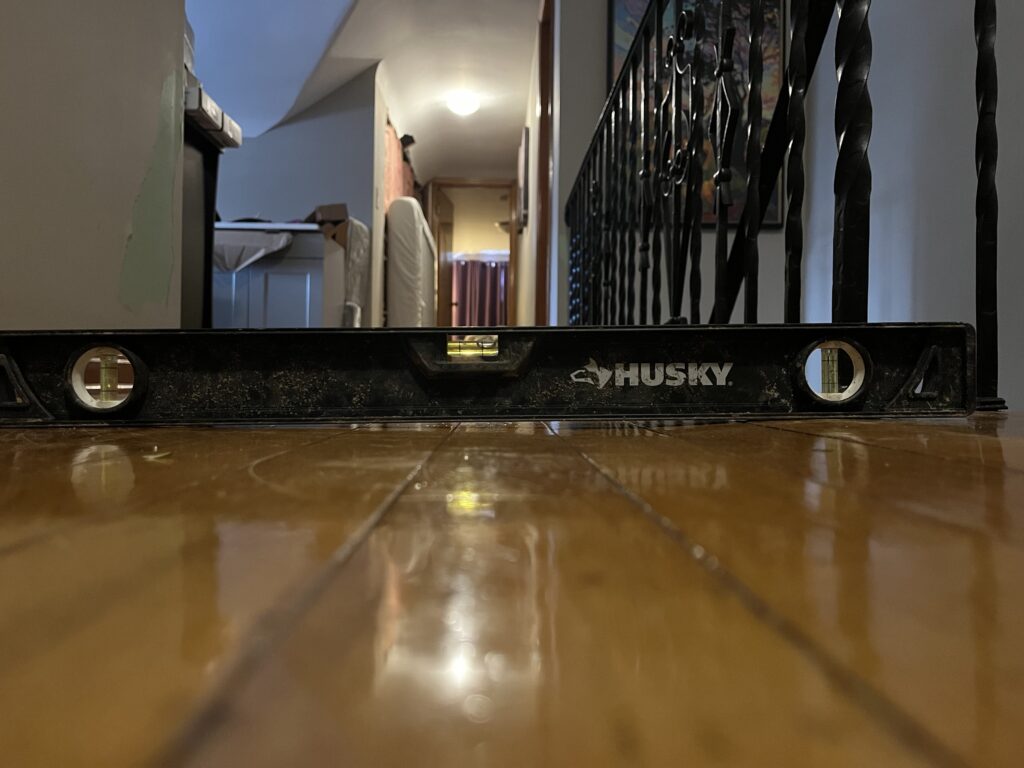
Why Are My Floors Uneven?
Uneven floors or sticking doors could mean your home’s foundation is shifting. When soil settles unevenly or expands due to poor drainage, your floors lose their level, leading to tripped transitions and structural strain. A professional inspection identifies if your foundation is sinking or heaving, allowing for targeted piering or stabilization to level your home and protect its value.
Common Signs of Foundation Shift:
- Sloping Floors: A noticeable “lean” or dip when walking across a room.
- Gaps & Cracks: Spaces appearing between the floor and baseboards or crown molding.
- Stubborn Openings: Windows and doors that suddenly stick or refuse to latch.
Related Services: Foundation Piering, Slab Jacking, Floor Leveling, Helical Anchors
My Home Feels Like It’s Sinking.
Unstable soil or poor drainage can cause your home to sink—leading to structural settlement and deep foundation cracks. These symptoms indicate a shifting base that requires professional piering and long-term stabilization. A proper inspection identifies the soil failure, then installing heavy-duty steel piers or anchors ensures your home stays level and your foundation stays secure.
Common Signs Your Home Is Sinking:
Exterior Stair-Step Cracks: Zig-zagging fractures appearing in the brickwork or concrete block walls.
Misaligned Openings: Windows and doors that suddenly stick, swing open, or won’t latch.
Fascia Board Gaps: Visible separation where the roofline or trim pulls away from the exterior walls.
Related Services: Helical Piers, Push Piers, Foundation Stabilization
My Foundation Walls Are Leaning.
Hydrostatic pressure or poor drainage can push against your foundation—causing basement walls to lean, bow, or tilt inward. Saturated soil puts immense weight on your home’s structure, leading to horizontal cracks and potential wall failure. A professional inspection identifies the pressure points, then installing wall anchors, carbon fiber straps, or steel beams ensures your walls are reinforced and your home stays upright.
Common Signs of Leaning Foundation Walls:
Horizontal Cracking: Long, continuous fractures running along the mid-section or top of the wall.
Inward Bowing: A visible inward curve or tilt away from the vertical plane.
Base Shearing: The bottom of the wall sliding inward across the floor slab.
Related Services: Wall Anchors, Carbon Fiber Straps, I-Beam Reinforcement, Helical Tiebacks

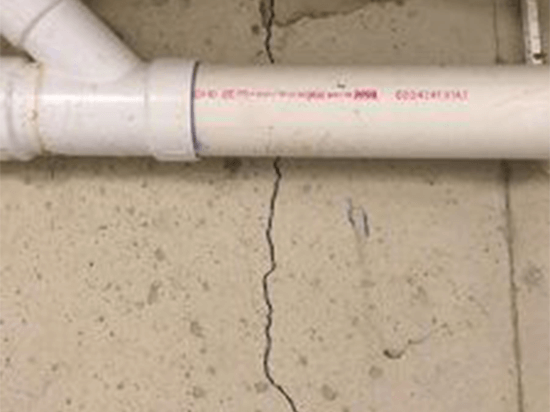
Why is My Basement Floor Cracking?
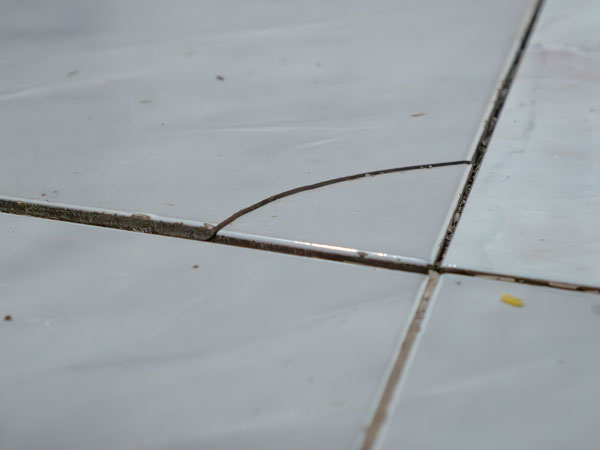
Hydrostatic pressure or settling soil can force your concrete floor to heave—causing jagged cracks, water seepage, and tripping hazards. Excess groundwater puts upward pressure on your slab, leading to structural fractures and potential floor failure. A professional inspection identifies the soil or drainage issue, then installing floor anchors, slab piers, or interior drainage ensures your floor is stabilized and your foundation stays flat.
Common Signs of a Cracking Basement Floor:
- Heaving or Uneven Sections: Visible “lips” where one side of a crack is higher than the other, creating a tripping hazard.
- Water Seepage: Damp spots or active trickling through the floor fractures, especially after heavy rain or snowmelt.
- White Powdery Residue: The appearance of efflorescence (salt deposits) along the crack lines, indicating constant moisture wicking through the slab.
Related Services: Slab Jacking, Floor Crack Injection, Interior Drainage, Concrete Leveling
Why Does My Basement Smell Musty?
Excessive humidity and stagnant air often lead to that unmistakable “basement smell”—a sign of active mold, mildew, or decaying organic material. Because basements are naturally cooler and surrounded by damp soil, moisture easily condenses on surfaces or seeps through porous walls. A professional assessment identifies the moisture source, while solutions like high-capacity dehumidification, vapor barriers, or localized waterproofing eliminate the odor at its root.
Common Signs of a Musty Basement:
- Damp or Clammy Air: A noticeable “heavy” feeling in the air caused by high relative humidity (usually above 60%).
- Visible Mold or Mildew: Dark spots, fuzzy patches, or white growths on drywall, floor joists, or cardboard storage boxes.
- Peeling Paint or Wallpaper: Moisture trapped behind wall finishes causing them to bubble, flake, or lose adhesion.
- Condensation on Pipes: “Sweating” cold-water pipes that drip onto the floor, feeding microbial growth in dark corners.
Related Services: Sump Pump Installation, Basement Dehumidification, Vapor Barirer Encapsulation, Wall Crack Repair
Ready to get started?
Schedule your free, no-obligation inspection with The Basement Doctor—West Virginia’s trusted experts in keeping homes drier, cleaner, and healthier all year long.